
A-Z Construction & Restoration

๐Ÿ“ Syracuse & Central NY

โ„๏ธ SPRING THAW SPECIAL: Free Foundation & Chimney Inspections

๐Ÿ“ž Call Now: 315-488-5292

Why Ignoring Small Foundation Cracks Can Double Repair Costs

Why Ignoring Small Foundation Cracks Can Double Repair Costs

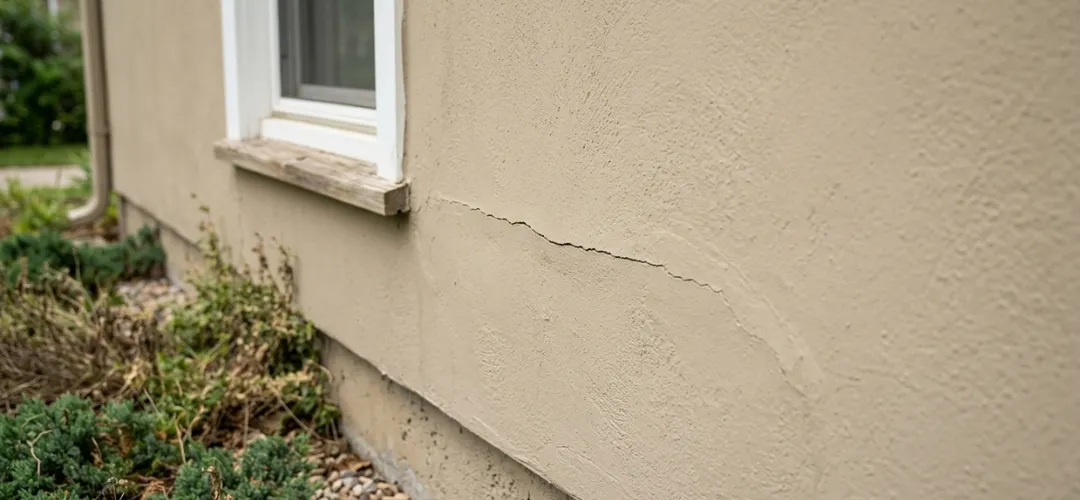
You have probably walked past that thin line in your basement wall a hundred times. Maybe you noticed it when you moved in, or maybe it showed up after last winter. Either way, you told yourself it was no big deal. Just a small crack. Every house has them.

Here is the thing about foundations. They do not send you a warning letter before they fail. That little crack is the letter and it is the first whisper of a problem that will only get louder. Water, soil pressure, and changing temperatures will take that hairline and turn it into a gap you cannot ignore.

So before you shrug and walk away, ask yourself this. How serious are small foundation cracks? The answer is that they are not serious yet. But give them time, and they will be. And by then, the fix will cost you ten times as much.

What Causes Small Foundation Cracks (And Why They Don’t Stay Small)

Small foundation cracks do not appear out of nowhere. They start when the ground beneath your home shifts, when rainwater soaks into the soil and freezes, or when your house settles unevenly over time. A little movement here and there is normal, but those small cracks are the first sign that something is happening.

But can small cracks in foundation get worse over time? Absolutely. Think of it like a crack in your windshield. One pothole does not break the glass, but that tiny chip spreads a little more every time you hit a bump. Your foundation works the same way. Every freeze-thaw cycle pulls the crack wider. Every heavy rain pushes water deeper into the gap. Every season of dry soil lets the ground shift a little more.

What causes small foundation cracks to get worse? Water is the biggest reason. When moisture seeps into a crack and freezes, it expands. That expansion puts pressure on the concrete, forcing the crack wider. Then more water gets in, and the cycle repeats. Add in soil pressure pushing against your foundation walls, and that hairline crack becomes a structural headache.

Small foundation cracks left alone do not heal. They grow. And what starts as a cosmetic nuisance becomes a real problem.

How Serious Are Small Foundation Cracks? (The Danger Spectrum)

Not all cracks are created equal. Some are cosmetic and others are warning signs of structural foundation issues. The difference comes down to three things. Where the crack is, which way it runs, and whether it is growing.

Vertical foundation cracks are the least threatening. These usually happen when concrete shrinks as it cures or when the house settles a tiny amount. A vertical crack under a quarter inch wide is rarely an emergency. Monitor it, seal it, and move on with your life.

Horizontal foundation cracks are a different story. These run side to side across your wall, and they mean soil or water is pushing from the outside in. Hydrostatic pressure is real, and it is strong enough to bow your walls over time. A horizontal crack is not a suggestion, it is a warning.

Crack Orientation and Urgency

Crack Type

Orientation

Typical Severity

Action Needed

Hairline

Random fine lines

Low

Monitor, seal if desired

Vertical

Up and down

Low to moderate

Seal, monitor for growth

Diagonal

Angled across wall

Moderate

Inspect, likely seal

Horizontal

Side to side

High to severe

Professional evaluation needed

Stair step

Zig zag in masonry

Moderate to severe

Inspect, may need structural repair

Structural foundation issues show up in other ways too. Sticking doors and windows, uneven floors, or cracks above door frames all point to movement. A vertical foundation crack that keeps growing month after month is not settling, it is shifting. And shifting means your foundation is still moving.

The danger spectrum is simple. If the crack is thin, vertical, and not changing, you probably have time. If it is horizontal, wider than a quarter inch, or growing, call someone. You donโ€™t want to find out what happens if foundation cracks are left untreated.

What Happens If You Ignore Foundation Cracks

Ignoring a crack does not make it go away. It makes it worse.

Water Seeps In

That tiny crack is an open door for groundwater. Once moisture gets through, you are looking at wet basements, musty smells, and the perfect conditions for mold. A little dampness becomes a puddle and that puddle becomes a reason to replace drywall and flooring.

Soil Pressure Builds

The ground outside your foundation never stops pushing. Waterlogged soil expands and presses against your walls. A hairline crack turns into a bowing wall. A bowing wall turns into a structural failure waiting to happen.

Cracks Spread

What happens if you ignore foundation cracks is simple. They do not stay in one place. A vertical crack branches into diagonal cracks. New cracks appear near windows and doors. The damage spreads like a spiderweb across your basement walls.

Your Home Shifts

Your foundation holds up everything else. When it moves, so does the rest of the house. Floors become uneven. Doors stop latching. Drywall cracks appear upstairs where there were none before. A basement problem becomes a whole house problem.

The Repair Gets More Invasive

  • Early stage: epoxy injection ($300 โ€“ $1,500)
  • Moderate stage: carbon fiber straps or wall anchors ($2,000 โ€“ $6,000)
  • Advanced stage: piering or underpinning ($5,000 โ€“ $20,000+)

Why small foundation cracks should not be ignored is all about timing. Fix one crack today for a few hundred dollars. Wait until your walls bow and you are looking at a five figure repair bill.

Foundation damage repair is always cheaper when the damage is small. Always.

The Cost Escalation โ€“ From Small Fix to Major Repair

Here is where the numbers get real. Fixing a crack early costs a few hundred dollars. Ignoring it until your walls start moving costs thousands. The difference is not small, and it adds up fast.

Early Stage: Epoxy Injection

When you catch a crack while it is still thin and vertical, a professional can inject epoxy or polyurethane foam directly into the gap. This seals the crack, prevents water intrusion, and costs anywhere from $300 to $1,500. Not cheap, but manageable.

Moderate Stage: Carbon Fiber Straps or Wall Anchors

If you wait too long and the crack widens or your wall starts bowing, epoxy will not cut it anymore. You need carbon fiber straps to reinforce the wall or steel wall anchors to stabilize it from the outside. This jumps to $2,000 to $6,000.

Advanced Stage: Piering or Underpinning

Once the foundation has settled significantly or the wall is leaning dangerously, you are looking at piering or underpinning. Steel piers are driven deep into the ground to stabilize your foundation. This is major structural work, and it runs from $5,000 to $20,000 or more.

Foundation Repair Cost Comparison

Stage

Repair Method

Typical Cost

Early

Epoxy injection

$300 โ€“ $1,500

Moderate

Carbon fiber / wall anchors

$2,000 โ€“ $6,000

Advanced

Piering / underpinning

$5,000 โ€“ $20,000+

What is the average cost to repair a cracked foundation depends entirely on how long you waited. Fix it early and you might pay $800. Wait until your basement walls bow and you are writing a check for $15,000.

Cost to repair foundation is not just about the crack itself. Water damage, mold remediation, drywall repair, and landscaping restoration add thousands more. How much does foundation repair cost when you factor in everything? More than you want to spend, but less than ignoring it.

Foundation Crack Repair Solutions (What Actually Works)

Not every crack needs the same fix. Picking the wrong solution wastes money and leaves your foundation vulnerable. Here is what actually works at each stage.

DIY Crack Sealers (Cosmetic Only)

For hairline cracks that are not growing and not leaking, a tube of concrete crack filler from the hardware store might do the job. This is surface level only. It will not stop structural movement or seal against serious water pressure.

Epoxy Injection (Active Cracks)

Foundation crack repair for active but non-structural cracks starts with epoxy or polyurethane foam. Professionals inject it deep into the crack, where it bonds to the concrete and blocks water permanently. This works for vertical and diagonal cracks under a quarter inch wide.

Carbon Fiber Straps (Bowing Walls)

When a wall starts leaning inward from soil pressure, epoxy alone will not fix it. Carbon fiber straps are applied vertically across the crack and bonded to the wall with high strength epoxy. They stop further movement and add serious reinforcement.

Wall Anchors and Steel Beams (Severe Bowing)

For walls that have already moved significantly, you need mechanical stabilization. Steel wall anchors are installed outside in the soil and connected to steel beams inside. This allows you to actually straighten the wall over time.

Piering and Underpinning (Settlement Issues)

When your foundation is sinking or settling unevenly, the fix is not on the wall, it is under the ground. Steel piers or concrete pilings are driven deep into stable soil to lift and support the foundation. This is major work, but it is the only permanent solution for settlement.

Pro Tip: Foundation crack repair solutions are not one size fits all. A vertical crack needs different treatment than a horizontal one. A wall that has stopped moving is different from one that is actively bowing. Get a professional assessment before you spend money on the wrong fix.

Conclusion

A hairline crack today becomes a horizontal crack tomorrow. Ignore it and you go from a $500 epoxy fix to a $10,000 wall stabilization project. Water seeps in, soil pressure builds, and your foundation keeps moving. Catch it early, fix it right, and save yourself a massive repair bill.

If you have been staring at a crack and hoping it will go away, stop waiting. A-Z Construction specializes in foundation repair and basement wall stabilization, stopping small cracks before they become structural emergencies. We know clay soils and freeze-thaw cycles, and we have been fixing foundations since 1986. Call us at 315-488-5292 or visit https://a-z-construction.com/foundation-crack-repair-syracuse-ny/ to learn more.

Frequently Asked Questions

  1. What are the first signs that a small foundation crack is serious?

ย 

If the crack is widening, horizontal, or accompanied by sticking doors, uneven floors, or water seepage, it may indicate structural movement and should be inspected.

ย 

  1. Can small foundation cracks turn into major structural damage?

ย 

Yes. Small cracks can expand due to soil pressure, moisture, and temperature changes, eventually leading to bowing walls or foundation settlement.

ย 

  1. Should I repair small foundation cracks immediately?

ย 

Yes. Early repair is cheaper and prevents water intrusion and structural deterioration that can significantly increase repair costs later.

ย 

  1. What type of foundation crack is most dangerous?

ย 

Horizontal cracks are the most serious because they usually indicate pressure from soil or water pushing against the foundation wall.

ย 

  1. How do professionals fix foundation cracks?

ย 

Depending on severity, professionals use epoxy injection, carbon fiber reinforcement, wall anchors, or piering systems for structural stabilization.
5 Reasons Your Concrete Sidewalk Is Cracking Faster Than It Should

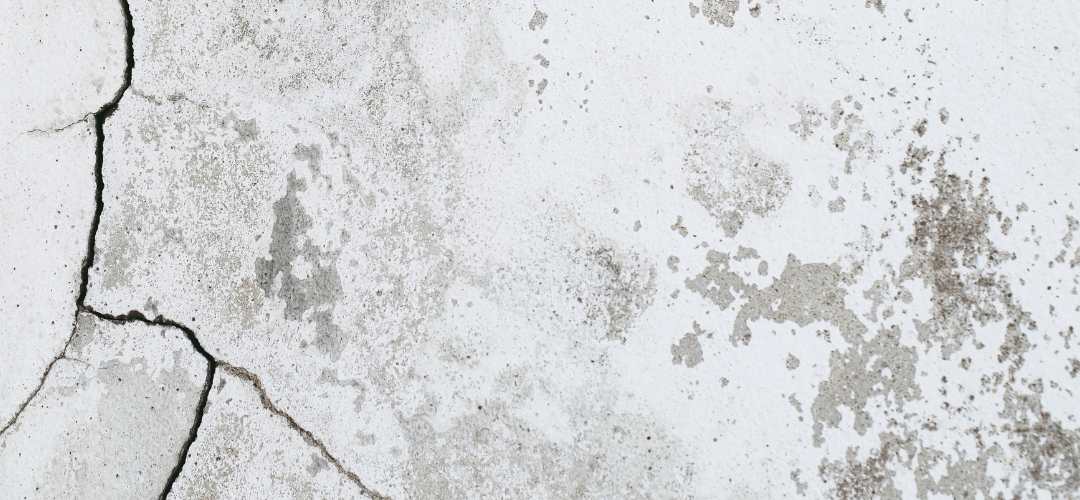
5 Reasons Your Concrete Sidewalk Is Cracking Faster Than It Should

Concrete is supposed to last decades. So when you start noticing cracks in your concrete sidewalk after just a few years, or even a few months, it’s frustrating. And honestly, it’s more common than it should be.

Some cracking is normal. Concrete moves, settles, and responds to temperature changes over time. But premature cracking? That’s usually a sign something went wrong, either during installation, in the surrounding environment, or with ongoing maintenance.

This post breaks down the five most common causes of sidewalk cracking, what each one actually looks like in practice, and what you can do about it before small cracks turn into serious trip hazards or costly replacements.

1. Poor Installation From the Start

This one stings a little, especially if you paid for professional work.

Poor concrete installation is one of the most common causes of premature sidewalk failure, and it’s not always obvious until cracks start showing up months later. The most frequent culprits:

  • Too much water added to the mix: Contractors sometimes add water to make concrete easier to work with. That shortcut weakens the final product and makes it far more prone to cracking.

  • Inadequate base preparation: If the sub-base isn’t properly compacted before the pour, the concrete has nothing solid to rest on. It shifts, settles unevenly, and cracks.

  • Finishing too early: Working the surface while bleed water is still rising traps moisture inside and reduces surface strength.

  • Wrong concrete thickness: Sidewalks should typically be poured at a minimum of 4 inches. Anything thinner simply can’t handle regular load and foot traffic.

But what can you do about it? For minor surface cracks, concrete crack filler can buy you time. For structural failures rooted in a bad pour, full panel replacement is usually the only real fix.

2. Missing or Misplaced Expansion Joints

Here’s something most homeowners don’t know: concrete needs to crack in certain places. That’s what concrete expansion joints are for.

When concrete heats up, it expands. When it cools, it contracts. Without planned relief cuts, that movement has nowhere to go โ€” so the slab cracks wherever it wants to, which is rarely convenient.

Expansion joint problems look like this:

  • Joints that are spaced too far apart (industry standard is roughly every 4 to 6 feet for sidewalks)
  • Joints that weren’t cut deep enough to actually guide the crack
  • No joints at all in longer sections of concrete

A well-cut control joint essentially creates a weak point on purpose. So when cracking occurs, it happens along that line and stays hidden rather than running across the middle of a slab.

This is a design and installation issue. If your sidewalk was laid without proper jointing, no amount of patching will fully solve the problem. Resurfacing with intentional saw cuts added afterward can help, but full sidewalk replacement is often the more practical long-term answer.

3. Tree Roots Pushing Up From Below

This is one of the most visually obvious, and most underestimated, causes of sidewalk damage. You’ve seen it: a slab that’s been lifted at an angle, with a visible ridge running underneath and a crack spreading outward from the edge.

Tree roots damaging sidewalks is a classic slow-motion problem. Roots follow moisture and grow toward it. If that means pushing through or under your concrete, they will.

A few things make this worse:

  • Trees planted too close to the sidewalk: Mature trees with aggressive root systems (maples, oaks, willows) cause the most damage
  • Shallow root systems: Some species spread roots near the surface rather than deep underground
  • Older sidewalks with gaps: Roots find the path of least resistance

The fix isn’t simple. Cutting the root can stress or kill the tree. Removing the tree solves the root problem but leaves a disrupted soil bed that still needs to be taken care of before you repour. Many municipalities handle sidewalk trip hazard repairs caused by tree roots so it is worth checking with your local public works department if the tree is in a right-of-way strip.

For homeowners, options include grinding down the raised edge (a short-term fix), installing flexible sidewalk panels designed to handle root growth, or full replacement paired with a root barrier.

4. Freeze-Thaw Cycles and Water Infiltration

If you live anywhere with cold winters, this one is working against your sidewalk every single year.

Freeze-thaw concrete damage happens when water seeps into small pores or hairline cracks in the slab, then freezes. Water expands by about 9% when it freezes. Do that repeatedly โ€” every winter, sometimes multiple times a week during temperature swings โ€” and the concrete literally breaks apart from the inside.

Signs of freeze-thaw damage:

  • Spalling: Chunks of the surface flaking or popping off
  • Surface scaling: A rough, pitted appearance where the top layer has deteriorated
  • Widening cracks: Small hairline cracks that grow noticeably wider season over season

Deicing salts make this even worse. They help melt ice, but they also accelerate moisture infiltration and chemical breakdown of the concrete surface. If you’re using rock salt on your sidewalk every winter, you’re speeding up the damage cycle.

What actually helps:

  • Seal your concrete every 2 to 3 years with a quality concrete sealer to reduce water absorption
  • Switch to sand or a calcium magnesium acetate-based deicer instead of sodium chloride
  • Address any cracked sidewalk repair in the fall before the first freeze since open cracks let water in faster

5. Soil Movement and Poor Drainage Underneath

The ground your sidewalk sits on is never completely still. Soil shifts, erodes, expands when wet, and shrinks when dry. When that movement isn’t accounted for, you get sidewalk settling โ€” and eventually, cracks.

This is especially common in:

  • Clay-heavy soils that swell significantly when saturated and shrink when dry
  • Sandy or poorly compacted fills that erode or shift under load
  • Areas with inadequate drainage where water pools under the slab and softens the base

Think about a sidewalk panel that’s sunk on one end and raised on the other. That’s settlement in action. The slab is trying to follow the ground beneath it, but concrete doesn’t flex so it breaks instead.

Common drainage-related mistakes that lead to this:

  • Downspouts that direct water toward (not away from) the sidewalk
  • No gravel base layer under the concrete pour
  • Grading that causes water to collect along the sidewalk edge

Here’s the rule of thumb: If your sidewalk is cracking in a diagonal pattern across a single panel, it’s almost always a soil or drainage issue. Water found its way under, softened the base, and the panel cracked along the stress line.

The fix starts underground. Sidewalk repair without addressing drainage or base issues will just keep repeating itself.

Don’t Wait Until a Small Crack Becomes a Big Problem

Premature sidewalk cracking almost always comes back to one of five things. A poor initial pour, missing expansion joints, tree root pressure, freeze-thaw damage, or shifting soil underneath. Once you understand the cause, the right fix becomes obvious. The key is catching these issues early, before a hairline crack turns into a sunken slab or a genuine trip hazard that costs far more to address.

If your sidewalk is already showing signs of damage, A-Z Construction specializes in Concrete Sidewalk Repair. From freeze-thaw damage and salt deterioration to trip hazards and sunken slabs, we have been repairing and replacing sidewalks for years, so you’re in experienced hands. Call 315-488-5292 or visit https://a-z-construction.com/concrete-sidewalk-repair-syracuse/ย  to learn more.

Frequently Asked Questions

  1. Are small sidewalk cracks something to worry about?

Hairline cracks are often early signs of movement, but they should be sealed quickly to prevent water from entering and causing deeper structural damage.

  1. Can cracked concrete sidewalks be repaired without replacing them?

Yes, minor surface damage can often be fixed with patching or sealing, but deeper structural issues usually need partial or full replacement.

  1. What causes sidewalks to crack the most over time?

The most common factors are poor installation, soil movement, water damage, and temperature changes that slowly weaken the slab.

  1. How do tree roots affect concrete sidewalks?

Roots grow underneath slabs seeking moisture and can lift or shift concrete, leading to uneven surfaces and visible cracking over time.

  1. When should a damaged sidewalk be fixed?

Repairs should be done as soon as cracks or uneven sections appear, since delays often make the damage worse and more expensive to correct.

Chimney Rebuild vs Repair: 5 Key Differences Homeowners Miss

How to tell if your bowing basement wall needs stabilization โ€” or replacement

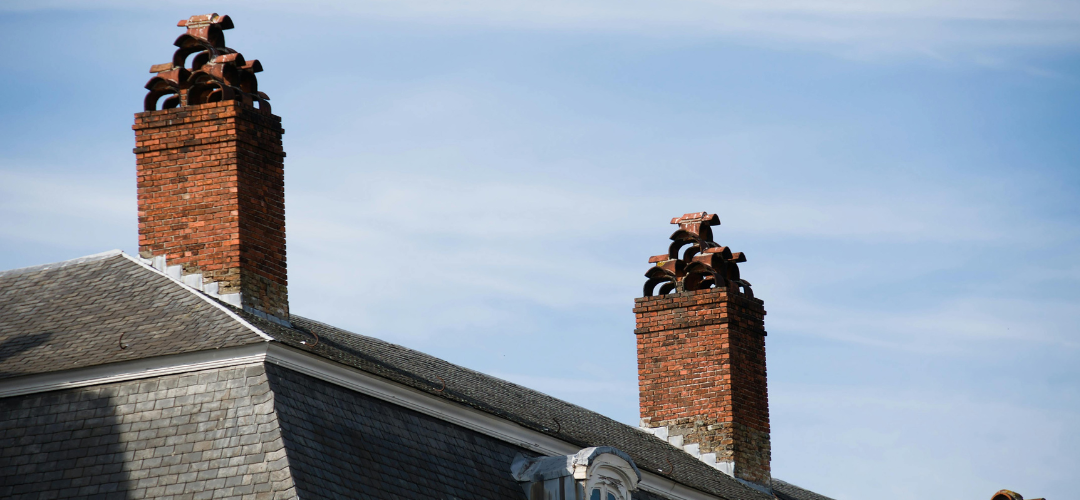
Youโ€™re sitting by the fireplace, enjoying a cold evening, when you notice something odd about your chimney. Maybe itโ€™s a faint crack in the brickwork, or perhaps thereโ€™s a draft where there shouldnโ€™t be. And now youโ€™re wondering: โ€œIs it better to repair or rebuild a chimney?โ€

Hereโ€™s the thing. Your chimney isnโ€™t just a decorative piece. Itโ€™s a hardworking part of your homeโ€™s heating and ventilation system, and when it starts showing signs of wear, the decision to repair or rebuild isnโ€™t always straightforward. Do you patch up the cracks and call it a day, or is it time for a full rebuild?

In this blog, weโ€™ll break down the difference between chimney repair and rebuilding, highlight the signs chimney needs repair or rebuild, and help you make the best choice for your home. So whether youโ€™re worried about costs, safety, or long-term value, weโ€™ve got you covered.

What is the Difference Between Chimney Repair and Rebuilding?

Before you start calling contractors in a panic, let us clear up exactly what these two terms mean. So, if you are sitting there wondering, what is the difference between chimney repair and rebuilding? The simplest answer comes down to the scope of the problem.

Think of chimney repair as a targeted fix. It focuses on addressing specific, isolated issues without tearing down the actual structure. If your chimney has a few cracked bricks, worn out mortar, or a damaged cap letting water sneak in, a repair is usually all you need. For example, a mason might come in to perform tuckpointing, which is just a fancy term for scraping out the old, crumbly mortar and replacing it with fresh material. It is a lot like getting a cavity filled at the dentist. It is quick, effective, and leaves the main structure entirely intact.

On the other hand, rebuilding is exactly what it sounds like. It involves tearing down part or all of the chimney and constructing it from scratch. You are not just patching a hole; you are replacing the structural integrity of the masonry itself. If your chimney looks like the leaning tower of Pisa, has massive vertical cracks, or the brickwork is actively crumbling into your yard, a repair will not cut it.

5 Key Differences Between Chimney Repair and Rebuild

Now that we have the definitions out of the way, let us dive into the details. When you are weighing chimney repair vs rebuild, it is easy to get caught up in the stress of the situation. But to make the smartest choice for your home, you need to look at the bigger picture. Here are the five biggest differences you should keep in mind.

1. Structural vs Cosmetic Issues

Repairs are all about fixing cosmetic or minor surface issues. Think of crumbling mortar, a few cracked bricks, or a rusted cap. These are problems that do not threaten the actual stability of your chimney. A rebuild, however, handles full structural failures. If your chimney is leaning, bowing, or dropping bricks onto your patio, a surface repair is like putting a tiny bandage on a broken leg. You need a rebuild to restore the structural integrity.

2. Cost Comparison

Let us talk about the budget. Homeowners always ask, is it cheaper to repair or rebuild a chimney? The short answer is yes, at least upfront. The average chimney repair cost is significantly lower because it requires less labor and fewer materials. However, if your chimney is in terrible shape, paying for repeated repairs will eventually drain your wallet. In those cases, the higher upfront chimney rebuilding cost is actually the more economical choice because it fixes the problem permanently.

3. Longevity and Durability

A solid repair can buy you a few extra years. It keeps the water out and makes everything look neat again. But it is still an old structure. Rebuilding gives you a completely fresh start. When you tear down the damaged masonry and build it back up with brand new materials, you are resetting the clock. A rebuilt chimney can easily last fifty years or more with proper maintenance.

4. Safety and Code Compliance

Building codes change over the years. A chimney constructed forty years ago might not meet today’s strict safety standards. Repairs only fix the immediate damage on an outdated structure. Rebuilding, on the other hand, makes sure your new chimney complies with modern fire safety codes, giving you and your family much better protection and peace of mind.

5. Underlying Causes

Sometimes a crack is just a crack. But other times, it is a sign of a much larger issue like a sinking foundation or severe internal water damage. Chimney repairs usually just address the surface symptom. A rebuild allows professionals to get right down to the root cause of the problem. They can fix the underlying footer or correct the drafting issues before building everything back up correctly.

Understanding these differences helps clear up the confusion. But you might still be wondering if pulling the trigger on a massive project is truly necessary.

Is Chimney Rebuild Worth It?

You are probably staring at the contractor quotes and asking yourself the big question. Is chimney rebuild worth it when a quick fix seems so much easier? It is a totally fair concern. But let us look beyond the price tag and think about the future of your home.

When deciding between a chimney repair or rebuild, you have to consider the long term value. Sometimes a basic chimney restoration just is not enough to reverse years of weather damage, water intrusion, or structural settling. If your masonry is leaning visibly or falling apart from the inside out, applying a fresh coat of mortar is like putting a tiny bandage on a broken arm.

Professionals who handle chimney repair and rebuilding will tell you that starting from scratch is often the smarter investment. Here is exactly why taking the plunge pays off.

  • Unmatched Safety: A crumbling structure is a huge hazard to your family and your property. Rebuilding eliminates the risk of a sudden brick collapse and ensures dangerous exhaust gases stay outside where they belong.

  • Better Heating Efficiency: A brand new setup means proper drafting. Your fireplace will burn fuel more efficiently and keep the warm air inside your living room instead of letting it escape through unseen cracks.

  • Modern Code Compliance: Old houses have plenty of charm, but their masonry often fails to meet today’s strict safety standards. A rebuild brings everything up to modern building codes, which is a massive selling point if you ever decide to list your house.

At the end of the day, spending money on constant patch jobs adds up fast. Tearing it down and starting over gives you true peace of mind and adds solid equity to your property. But before you make that final call, you probably want to know exactly what kind of numbers we are talking about.

How Do You Know If Your Chimney Needs Rebuilding?

Before we get into the exact numbers, you need to figure out what state your masonry is actually in. You might be standing in your yard right now thinking, how do you know if chimney needs rebuilding instead of just taking a quick patch job? It usually comes down to spotting the warning signs.

Grab a flashlight, step outside, and look for these clear indicators that your structure needs serious help:

  • Visible Leaning: If your masonry tilts to one side, the structural integrity is already gone. A basic surface fix cannot correct a failing foundation or severe shifting.
  • Spalling Bricks: When the faces of your bricks flake off and litter your roof or patio, moisture has destroyed the masonry from the inside out.
  • Severe Mortar Loss: Massive gaps between bricks where mortar used to sit mean the structure has completely lost its binding agent.
  • Heavy White Staining: Thick, fuzzy white salt deposits, known as efflorescence, signal heavy, ongoing water damage deep within the walls.

When you spot multiple items from this list, calling a qualified chimney repair & rebuild service is your smartest next move. Experts who specialize in chimney rebuilding and repair know exactly how to evaluate the internal damage that an untrained eye misses. They will map out your specific chimney rebuild and repair options, so your home stays safe, functional, and up to code.

Now that you know what warning signs to look out for, let us talk about what this kind of project might do to your wallet.

What is the Average Cost to Rebuild a Chimney?

You have inspected the bricks, spotted the warning signs, and finally accepted that a fresh start is the best path forward. Naturally, your next thought is focused entirely on the budget. If you are typing, what is the average cost to rebuild a chimney? into your search bar, you are probably bracing yourself for a massive number. The truth is, the final price tag depends heavily on a few specific details about your home.

Generally speaking, you can expect to spend anywhere from $1,500 for a partial job to over $10,000 for a complete teardown and reconstruction. Let us break down exactly where that money goes and what factors influence your final bill.

  • Extent of the Damage: A partial rebuild, which usually covers everything from the roofline up, is the most common and affordable option. If the foundation is solid but the top part is crumbling, you will stay on the lower end of the cost spectrum.

  • Material Choices: Not all building materials are created equal. Standard red brick is relatively inexpensive and easy to source. However, if you own a historic home and need custom masonry to perfectly match stones from eighty years ago, your materials budget will naturally increase.

  • Labor and Accessibility: Roof pitch and house height are equally important. If your masonry sits on a steep, three story roof that requires extensive scaffolding, labor costs will rise. Contractors must factor in the extra time it takes to safely access the workspace and haul heavy materials up and down.

  • Additional Components: Sometimes a rebuild uncovers hidden issues. You might need a new stainless steel liner, updated flashing to prevent future roof leaks, or a heavy duty cap. These necessary additions protect your new structure but will add to the overall estimate.

Ready to Make the Right Choice?

At the end of the day, deciding between a quick fix and a fresh start comes down to looking past the surface. While patching a few bricks might save you cash right now, it will not fix a failing structure or a leaning stack. Whether you repair minor wear or rebuild to ensure decades of safety, making an informed decision protects your home and your budget.

If you are still staring at those crumbling bricks and wondering what to do next, we can help you figure it out. At A-Z Construction and Restoration, we provide professional Chimney Repair & Rebuilding Services to help you choose the best fix for your situation and keep your chimney in peak shape year round. Give us a call at 315 488 5292 or visit https://a-z-construction.com/chimney-repair-syracuse-ny/ to learn more about our service.

Frequently Asked Questions

  1. Is it better to repair or rebuild a chimney?

It depends on the damage. Minor issues like cracked mortar or a few damaged bricks can be repaired, while structural problems like leaning or severe deterioration usually require a full rebuild.

  1. What is the average cost to rebuild a chimney?

A chimney rebuild typically ranges from $1,500 to $10,000+, depending on the extent of damage, materials used, and labor requirements.

  1. Is it cheaper to repair or rebuild a chimney?

Repairs are cheaper upfront, but repeated fixes can add up. In cases of major damage, rebuilding is often more cost-effective long term.

  1. How do you know if a chimney needs rebuilding?

Signs include a leaning structure, spalling bricks, large cracks, missing mortar, and significant water damage.

  1. How long does a chimney repair or rebuild last?

Repairs can last a few years depending on the issue, while a properly rebuilt chimney can last 30 to 50 years or more with maintenance.

โ–ฒ