Why Basement Foundation Walls Crack in Syracuse Homes
You walk into your basement and notice a crack running down the wall. Maybe it wasn’t there last winter, or a small crack has widened. You might also notice damp patches near the floor or water entering after heavy rain. Basement foundation cracks are common concerns for homeowners in Syracuse, NY. The city’s snowy winters, freezing temperatures, and seasonal rainfall expose foundations to changing ground conditions. Over time, these conditions can contribute to cracks in concrete and masonry walls.
However, not every crack develops for the same reason. Some appear as concrete cures, while others result from soil pressure, foundation settlement, or drainage problems. A crack’s location, direction, and condition can provide clues about the underlying problem. Identifying the cause helps determine whether the wall needs monitoring, waterproofing, or structural foundation repair.
Syracuse Winters and Basement Foundation Cracks
Syracuse receives substantial snowfall during winter. When temperatures rise, melting snow releases water into the surrounding ground. If the soil drains slowly, moisture can accumulate around basement walls. Additional rainfall may increase the amount of water in the ground, particularly during spring.
Freezing temperatures create another concern. Moisture in frost-susceptible soil can freeze and expand, contributing to movement and pressure around foundations. These seasonal changes affect homes differently. Soil composition, drainage conditions, foundation depth, and construction quality all influence how a basement responds.
Older properties may also have foundation materials or drainage systems that have deteriorated over time. Although Syracuse weather contributes to foundation problems, a crack appearing after winter doesn’t automatically mean freezing caused it. Several conditions may be responsible.
Water Pressure Against Basement Walls
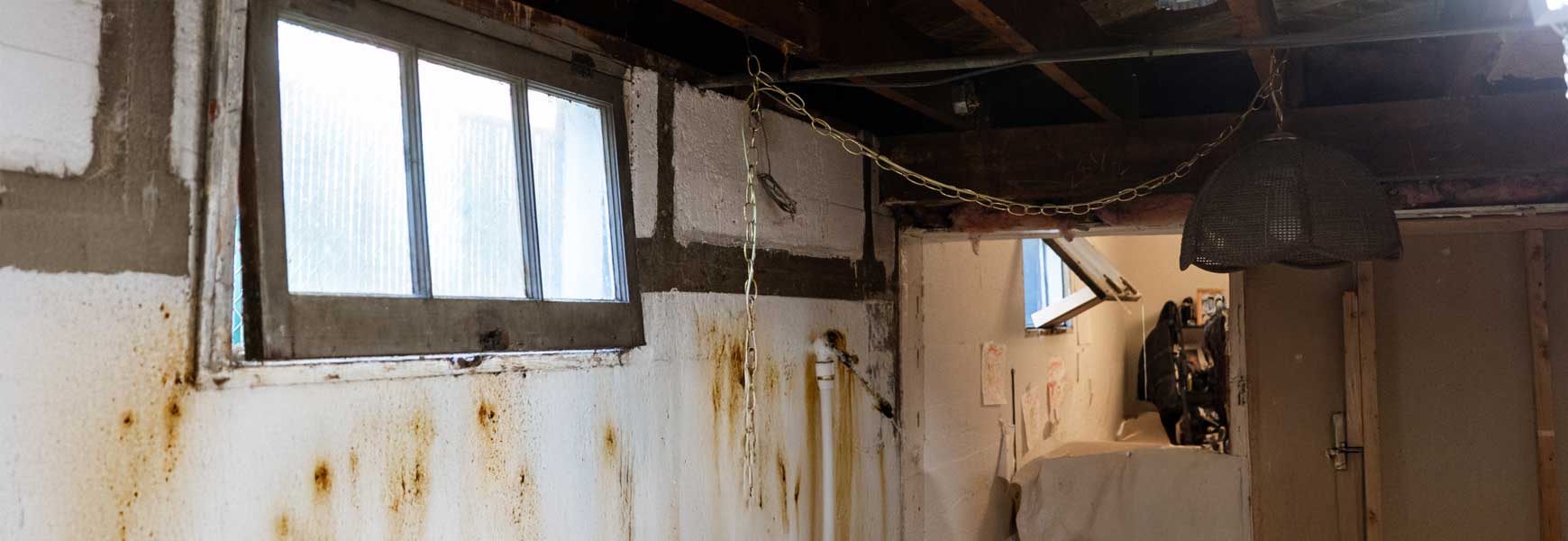
Water is one of the leading contributors to foundation wall damage. When rain or melting snow enters the ground, it normally drains through the soil. However, poorly draining soil can retain water beside the basement. As water accumulates, it creates hydrostatic pressure against the foundation. Excessive pressure can push inward on basement walls, particularly when the wall lacks sufficient strength to resist the load. Over time, homeowners may notice horizontal cracks, damp areas, or visible wall movement.
Several drainage problems can increase water pressure:
- Clogged Gutters: Overflowing rainwater collects beside the foundation.
- Short Downspouts: Water discharges too close to basement walls.
- Poor Yard Grading: The ground slopes toward the house instead of away from it.
- Saturated Soil: Water remains trapped around the foundation.
- Blocked Foundation Drains: Existing drainage systems cannot remove water effectively.
Waterproofing may help prevent leaks, but a wall that has already started bowing may also need structural repairs.
Freezing Temperatures and Soil Movement
Syracuse’s cold winters can affect the soil surrounding a foundation. When water freezes in certain soils, ice formation causes the ground to expand. This process is known as frost heave. The resulting movement can place pressure on foundation walls and nearby structures.
When temperatures rise, the frozen ground thaws. Water moves through the soil, and the ground may settle or shift. Repeated seasonal changes can contribute to cracking, particularly where moisture remains trapped near the foundation.
The effect depends on several conditions, including:
- Soil type and moisture content
- Depth of freezing
- Foundation construction
- Drainage around the property
- Existing cracks or weakened masonry
A properly constructed foundation generally extends below the local frost depth, reducing the risk of frost movement beneath its footings. However, freezing soil around the foundation can still contribute to pressure and moisture-related problems.
Uneven Settlement Beneath the House
A home’s foundation transfers the building’s weight into the soil below. If one section of the supporting soil compresses or shifts more than another, the foundation may settle unevenly. This movement creates stress within basement walls. Settlement may develop gradually, and homeowners sometimes notice cracks before other symptoms appear.
Loose or Poorly Compacted Soil
Soil used during construction must be compacted properly. Loose fill can compress over time and allow portions of the foundation to move.
Changes in Ground Moisture
Some soils expand when wet and shrink when dry. Uneven moisture conditions can cause different areas beneath the house to move at different rates.
Soil Erosion
Water moving through the ground can remove soil particles and reduce support beneath parts of a foundation.
Nearby Construction Activity
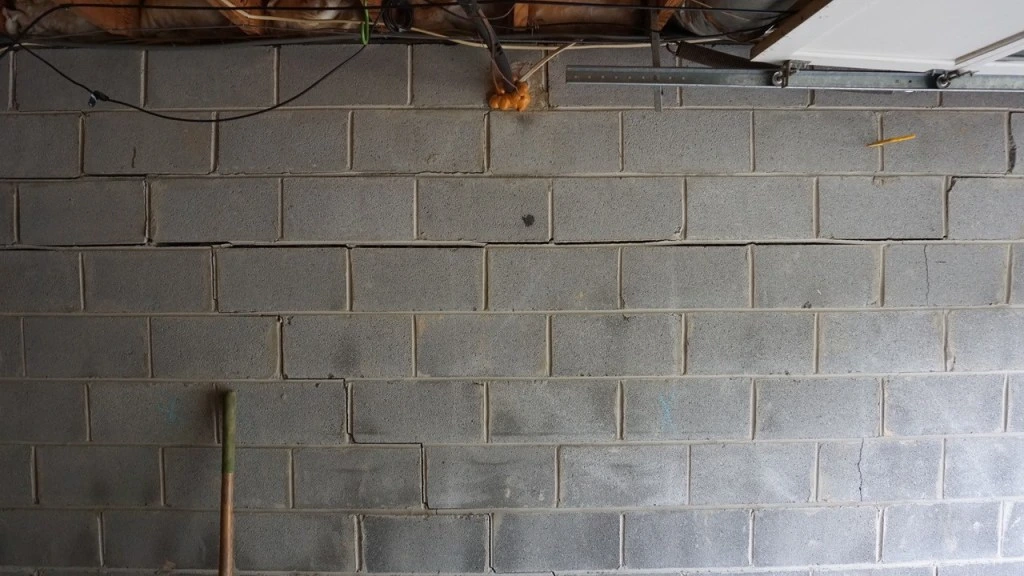
Excavation or changes to drainage near a property can sometimes disturb supporting soil. Settlement-related cracks may appear diagonally or follow the mortar joints of concrete block walls.
However, similar crack patterns can also develop from other structural forces. A professional inspection is necessary to identify the cause.
Poor Drainage Around the Foundation
Some foundation problems begin with ordinary drainage issues outside the house. A downspout may empty beside the basement wall. A patio may slope toward the house. Rainwater may collect in a low area near the foundation. These conditions repeatedly expose the surrounding soil to moisture. As the ground becomes saturated, pressure against the basement walls may increase. Water can also enter through existing cracks or deteriorated mortar joints.
Homeowners should inspect the exterior of their properties after heavy rainfall and during spring snowmelt.
Pay attention to:
- Standing water beside basement walls
- Overflowing gutters
- Downspouts releasing water near the house
- Water collecting in basement window wells
- Walkways and patios directing runoff toward the foundation
Correcting drainage problems can reduce future water exposure. However, drainage improvements alone may not repair cracks caused by structural movement.
Concrete Shrinkage and Ageing Foundation Materials
Foundation cracks can also develop due to concrete shrinkage, ageing materials, or issues during construction. Poured concrete naturally shrinks as it cures. This process can create narrow cracks in basement walls. Some shrinkage cracks remain stable and do not affect the structural performance of the foundation.
However, their location and condition still deserve attention, especially if water begins entering through them. Construction practices can also influence cracking. Improper concrete placement, inadequate reinforcement, weak mortar joints, and unsuitable backfilling may contribute to foundation problems.
Older Syracuse homes may have concrete block, poured concrete, stone, or other masonry foundations. These materials respond differently to moisture, movement, and ageing.
For example, concrete block foundations may develop cracks along mortar joints, while poured concrete walls may crack directly through the concrete. The type of foundation helps determine the appropriate repair approach.
Different Types of Basement Foundation Cracks
Cracks can appear in several directions. Their patterns provide useful information, although no single pattern proves the cause.
Vertical Cracks
Vertical cracks run upward or downward along a foundation wall. They may result from concrete shrinkage, settlement, or other movement. A narrow crack that remains unchanged may be less concerning than one that continues widening or allows water to enter.
Horizontal Cracks
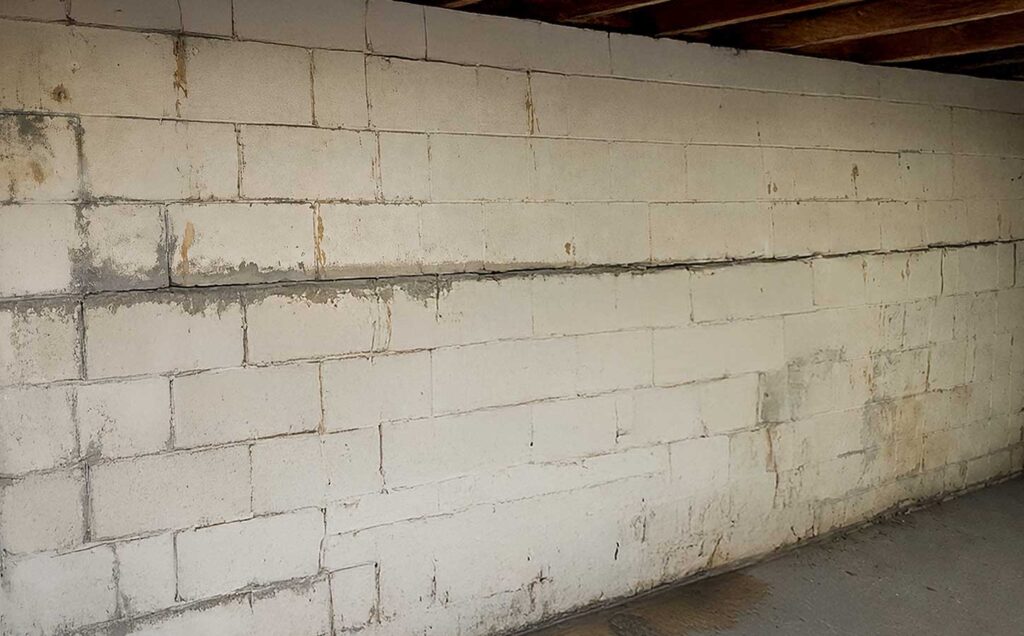
Horizontal cracks run across the foundation wall. They can indicate lateral pressure from surrounding soil or water, especially in concrete block foundations. If the wall also bows or bulges inward, the crack may indicate a serious structural problem.
Diagonal Cracks
Diagonal cracks extend across the wall at an angle. They may develop when different sections of the foundation move unevenly. Changes in crack width or visible displacement deserve closer inspection.
Stair-Step Cracks
Stair-step cracks follow the mortar joints between concrete blocks. They can develop from foundation settlement or lateral wall pressure. If the blocks shift out of alignment, the foundation may need structural assessment.
Warning Signs of Serious Foundation Problems
A small surface crack doesn’t always indicate major damage. However, certain changes suggest that the foundation may be experiencing ongoing movement.
Watch for these warning signs:
- Bowing Walls: Basement walls curve or lean inward.
- Widening Cracks: Openings become larger over time.
- Displaced Blocks: Concrete blocks move out of alignment.
- Repeated Water Leaks: Water enters through the same cracks after rainfall or snowmelt.
- New Cracks Around Openings: Cracks develop near basement windows or wall connections.
- Changes Inside the House: Doors begin sticking or floors become uneven alongside other signs of foundation movement.
A crack that changes noticeably over a short period deserves prompt attention. If a wall shows severe bowing, substantial displacement, or signs of possible collapse, avoid the affected area and seek an urgent structural assessment.
Basement Foundation Repair Options in Syracuse
Foundation repairs depend on the cause, location, and severity of the damage. A contractor should inspect the wall before recommending a repair method.
Concrete Crack Sealing
Epoxy injection may provide structural bonding for suitable cracks in poured concrete. Polyurethane injection can seal certain cracks that allow water into the basement. Neither method automatically corrects settlement or bowing walls.
Masonry Repairs
Damaged mortar joints may require repointing or other masonry repairs. However, displaced blocks or unstable walls may need additional structural work.
Wall Reinforcement
Some bowing basement walls require reinforcement. Depending on the wall’s condition, engineers may specify steel braces, wall anchors, or carbon-fibre reinforcement. These systems have different applications and limitations.
Foundation Stabilisation
Settlement-related problems may require additional support beneath affected foundation sections. The appropriate solution depends on the soil, foundation design, and extent of movement.
Drainage and Waterproofing
Exterior drainage improvements, waterproofing systems, and sump pumps can help manage water around the foundation. These measures address moisture problems but do not reverse existing structural displacement.
Protect Your Basement From Further Cracking
Regular exterior maintenance can reduce some of the conditions that contribute to foundation damage.
Direct Water Away From the House
Keep gutters clear and extend downspouts to suitable drainage locations. Check that the surrounding ground directs runoff away from the foundation.
Check for Water After Heavy Rain
Inspect the basement for damp patches, water stains, and leaks. Look outside for pooling water near foundation walls.
Monitor Existing Cracks
Take dated photographs of visible cracks and record any changes. Pay attention to widening, displacement, or new moisture.
Repair Drainage Problems Early
Address blocked gutters, damaged drainage components, and areas where water repeatedly collects.
Arrange an Inspection for Structural Movement
Don’t rely on surface patching when a crack continues growing or a wall begins moving inward. An inspection can identify the condition of the foundation and the repairs it may require.
Basement Foundation Repairs in Syracuse, NY
Basement wall cracks deserve attention, but they don’t all require the same repair.
A stable shrinkage crack may need monitoring or sealing. A leaking wall may require drainage improvements. Horizontal cracks accompanied by bowing can indicate a structural problem that needs a more involved solution.
A-Z Construction works with homeowners in Syracuse, NY, on construction and restoration projects. If you’ve noticed cracks, moisture, or movement in your basement foundation walls, arrange a professional inspection before the damage progresses.
Finding the cause of the cracking is the first step towards selecting an appropriate repair and protecting the rest of your home.
Frequently Asked Questions
1. Are basement foundation cracks common in Syracuse homes?
Yes. Syracuse experiences heavy snowfall, freezing temperatures, and seasonal rainfall that can contribute to soil movement and water pressure around basement foundations. Concrete shrinkage and uneven settlement can also cause cracks.
2. Should I worry about a horizontal crack in my basement wall?
Horizontal cracks can indicate pressure from surrounding soil or groundwater. If the wall also bows inward, bulges, or shows displacement, arrange a structural inspection promptly.
3. Can basement foundation cracks cause water leaks?
Yes. Rainwater and melting snow can enter through cracks in basement walls, especially when drainage around the foundation is poor. Sealing the crack may stop the leak, but the underlying drainage problem may also need attention.
4. Do basement foundation cracks get worse during winter?
Some cracks may worsen when freezing soil expands or when moisture conditions change. Spring snowmelt can also increase water pressure around basement walls. However, the effect depends on the foundation’s condition and surrounding soil.
5. When should I schedule basement foundation repair in Syracuse, NY?
Arrange an inspection if cracks continue widening, water enters the basement, concrete blocks shift, or walls begin bowing. A foundation professional can assess the damage and recommend suitable repairs.